
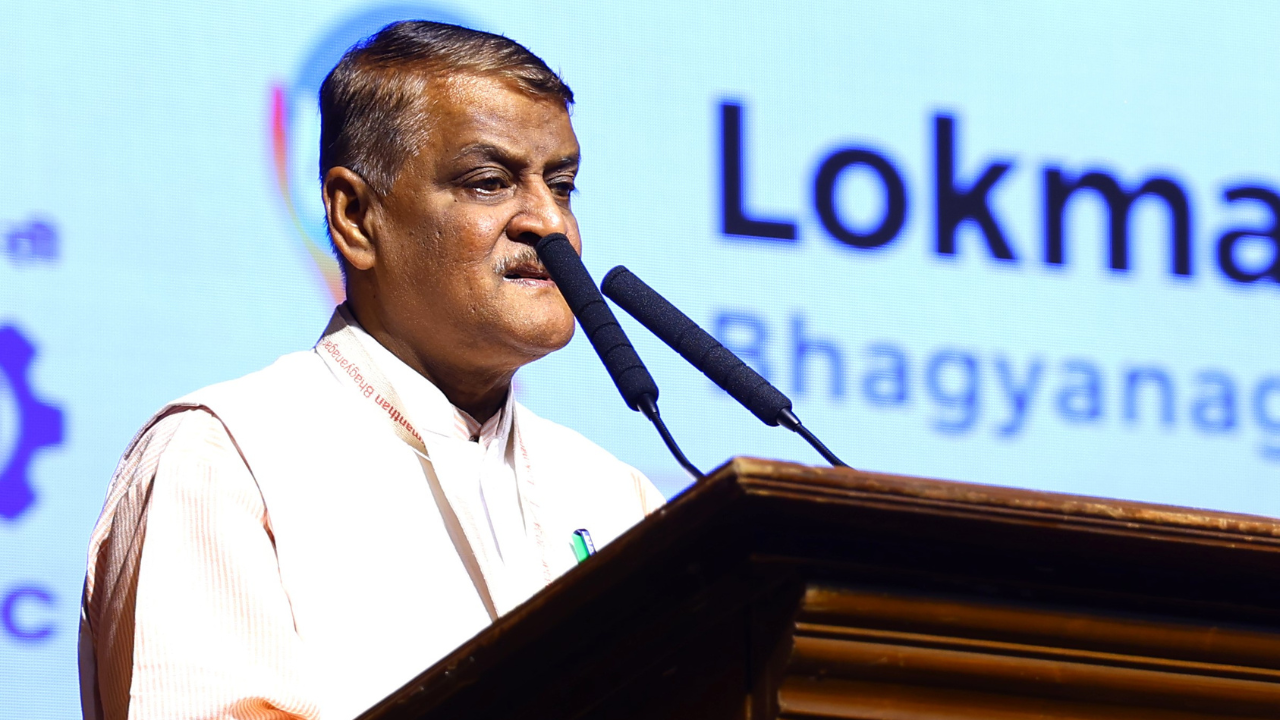
Sarva Samaveshi Vyavastha: An Inclusive Vision for India
Prof. Vishnukant S. Chatpalli
Former Vice-Chancellor, Karnataka State Rural Development and Panchayat Raj University, Gadag
I warmly welcome everyone to my lecture. Namaskar!
I extend my respect to Mr. Chaouhan, Mr. Ketkar, our regional tour guide, and Mr. Bandhu along with his wife, who are here in the auditorium. Yesterday, we explored various topics in Lokmanthan, including perspectives on life, knowledge, literature, the environment, and economics.
Mr Harsh Chouhan shared insights on his work in rural and tribal regions. My discussion today will focus on two dimensions, involving both academics and practitioners, and will delve into the ideological and academic aspects of the Sarva Samaveshi Vyavastha (Inclusive System).
The Call for Integrating Disadvantaged Groups into the Mainstream
The National Education Policy mentions SEDG (Socially and Economically Disadvantaged Groups) and emphasises the need to integrate these groups into the mainstream. The discussions we had yesterday about implementing such topics revolve around the Sarva Samaveshi Vyavastha, making it central to our execution strategy. This allows for the repetition and reinforcement of key ideas, enhancing understanding and recall.
Swarajya: Reviving the Philosophy of Self-Rule
To grasp the narrative of this system, it’s essential to understand its viewpoint. As the vice-chancellor of the Rural Development and Panchayat Raj University, I aim to discuss how we can collectively bring about change within this system. The approach paper defines Lok Vyavastha as the shared principles and processes that unify India’s diverse social structures and geographical distinctions. This unity amidst diversity is a concept that has intrigued Western perspectives.
India’s population spans forests, villages, and cities, yet the underlying philosophy and way of life remain consistent across the country. This unity is not just cultural or spiritual but is deeply embedded in our historical systems. For instance, ancient Indian villages operated as republics, a concept highlighted by our Prime Minister at the United Nations, asserting that India is not only the largest democracy but also the mother of democracy. The Vedic texts mention two systems: monarchy and republics, with the latter being governed by councils or sabhas, which included individuals distinguished by their actions, not just birth.
Community-centric Development
The Mahabharata elaborates on the features of these republics, emphasising that unity among people leads to prosperity, while internal conflicts lead to destruction. Ancient India was home to numerous republics, which even resisted Alexander’s invasion. The governance in these villages was decentralised, focusing on self-governance, equality, justice and material prosperity.
Indian Republics: Colonial Observations
Thomas Munro, the Governor of Madras in 1806, described India as a collection of self-reliant republics. This historical perspective on decentralization and self-governance is crucial as we discuss modern governance systems. The concept of Swarajya, or self-rule, championed by leaders such as Chhatrapati Shivaji Maharaj and Bal Gangadhar Tilak, is deeply rooted in our history and continues to inspire good governance. to inspire good governance.
Reviving Indigenous Development Models for Inclusive Growth
Mahatma Gandhi envisioned a decentralised system of Panchayat Raj or Gram Swarajya, emphasising that the soul of India resides in its villages. This concept of self-governance is integral to our ethos and values, promoting economic inclusivity, gender equality and spiritual inclusivity. In the current system, we have a three-tier governance structure: Gram Panchayat, District Panchayat and the Assembly/Parliament. The challenge is to make this system vibrant and effective in complementing developmental activities. While NGOs often find it challenging to work with the government due to trust deficits, it’s essential to build confidence and create a win-win situation. The government is investing significantly in rural and tribal development and effective utilisation of these resources requires collaboration between the government, NGOs and local communities.
Empowering Local Leadership for Effective Governance
Community participation is crucial for development. People must engage in the decision-making processes at the village level, participate in Gram Panchayat elections and ensure that capable leaders emerge. Leadership at the local level is vital for understanding and addressing the unique needs of each village. Those interested in development should consider roles in electoral politics, community participation or even bureaucracy to influence India-centric policies and regulations.
The Path Forward for Inclusive and Progressive India
In conclusion, by fostering community participation, building confidence with the government and creating indigenous models of development, we can achieve the vision of Sarva Samaveshi Vyavastha. This approach will lead to good governance and the holistic development of our villages, ensuring that the essence of our ancient systems e us in modern times.
Sarve bhavantu sukhinah
(May all be happy)!
Former Vice-Chancellor, Karnataka State Rural Development and Panchayat Raj University, Gadag
I warmly welcome everyone to my lecture. Namaskar!
I extend my respect to Mr. Chaouhan, Mr. Ketkar, our regional tour guide, and Mr. Bandhu along with his wife, who are here in the auditorium. Yesterday, we explored various topics in Lokmanthan, including perspectives on life, knowledge, literature, the environment, and economics.
Mr Harsh Chouhan shared insights on his work in rural and tribal regions. My discussion today will focus on two dimensions, involving both academics and practitioners, and will delve into the ideological and academic aspects of the Sarva Samaveshi Vyavastha (Inclusive System).
The Call for Integrating Disadvantaged Groups into the Mainstream
The National Education Policy mentions SEDG (Socially and Economically Disadvantaged Groups) and emphasises the need to integrate these groups into the mainstream. The discussions we had yesterday about implementing such topics revolve around the Sarva Samaveshi Vyavastha, making it central to our execution strategy. This allows for the repetition and reinforcement of key ideas, enhancing understanding and recall.
Swarajya: Reviving the Philosophy of Self-Rule
To grasp the narrative of this system, it’s essential to understand its viewpoint. As the vice-chancellor of the Rural Development and Panchayat Raj University, I aim to discuss how we can collectively bring about change within this system. The approach paper defines Lok Vyavastha as the shared principles and processes that unify India’s diverse social structures and geographical distinctions. This unity amidst diversity is a concept that has intrigued Western perspectives.
India’s population spans forests, villages, and cities, yet the underlying philosophy and way of life remain consistent across the country. This unity is not just cultural or spiritual but is deeply embedded in our historical systems. For instance, ancient Indian villages operated as republics, a concept highlighted by our Prime Minister at the United Nations, asserting that India is not only the largest democracy but also the mother of democracy. The Vedic texts mention two systems: monarchy and republics, with the latter being governed by councils or sabhas, which included individuals distinguished by their actions, not just birth.
Community-centric Development
The Mahabharata elaborates on the features of these republics, emphasising that unity among people leads to prosperity, while internal conflicts lead to destruction. Ancient India was home to numerous republics, which even resisted Alexander’s invasion. The governance in these villages was decentralised, focusing on self-governance, equality, justice and material prosperity.
Indian Republics: Colonial Observations
Thomas Munro, the Governor of Madras in 1806, described India as a collection of self-reliant republics. This historical perspective on decentralization and self-governance is crucial as we discuss modern governance systems. The concept of Swarajya, or self-rule, championed by leaders such as Chhatrapati Shivaji Maharaj and Bal Gangadhar Tilak, is deeply rooted in our history and continues to inspire good governance. to inspire good governance.
Reviving Indigenous Development Models for Inclusive Growth
Mahatma Gandhi envisioned a decentralised system of Panchayat Raj or Gram Swarajya, emphasising that the soul of India resides in its villages. This concept of self-governance is integral to our ethos and values, promoting economic inclusivity, gender equality and spiritual inclusivity. In the current system, we have a three-tier governance structure: Gram Panchayat, District Panchayat and the Assembly/Parliament. The challenge is to make this system vibrant and effective in complementing developmental activities. While NGOs often find it challenging to work with the government due to trust deficits, it’s essential to build confidence and create a win-win situation. The government is investing significantly in rural and tribal development and effective utilisation of these resources requires collaboration between the government, NGOs and local communities.
Empowering Local Leadership for Effective Governance
Community participation is crucial for development. People must engage in the decision-making processes at the village level, participate in Gram Panchayat elections and ensure that capable leaders emerge. Leadership at the local level is vital for understanding and addressing the unique needs of each village. Those interested in development should consider roles in electoral politics, community participation or even bureaucracy to influence India-centric policies and regulations.
The Path Forward for Inclusive and Progressive India
In conclusion, by fostering community participation, building confidence with the government and creating indigenous models of development, we can achieve the vision of Sarva Samaveshi Vyavastha. This approach will lead to good governance and the holistic development of our villages, ensuring that the essence of our ancient systems e us in modern times.
Sarve bhavantu sukhinah
(May all be happy)!